Best Running Shoes for Beginners (2026)
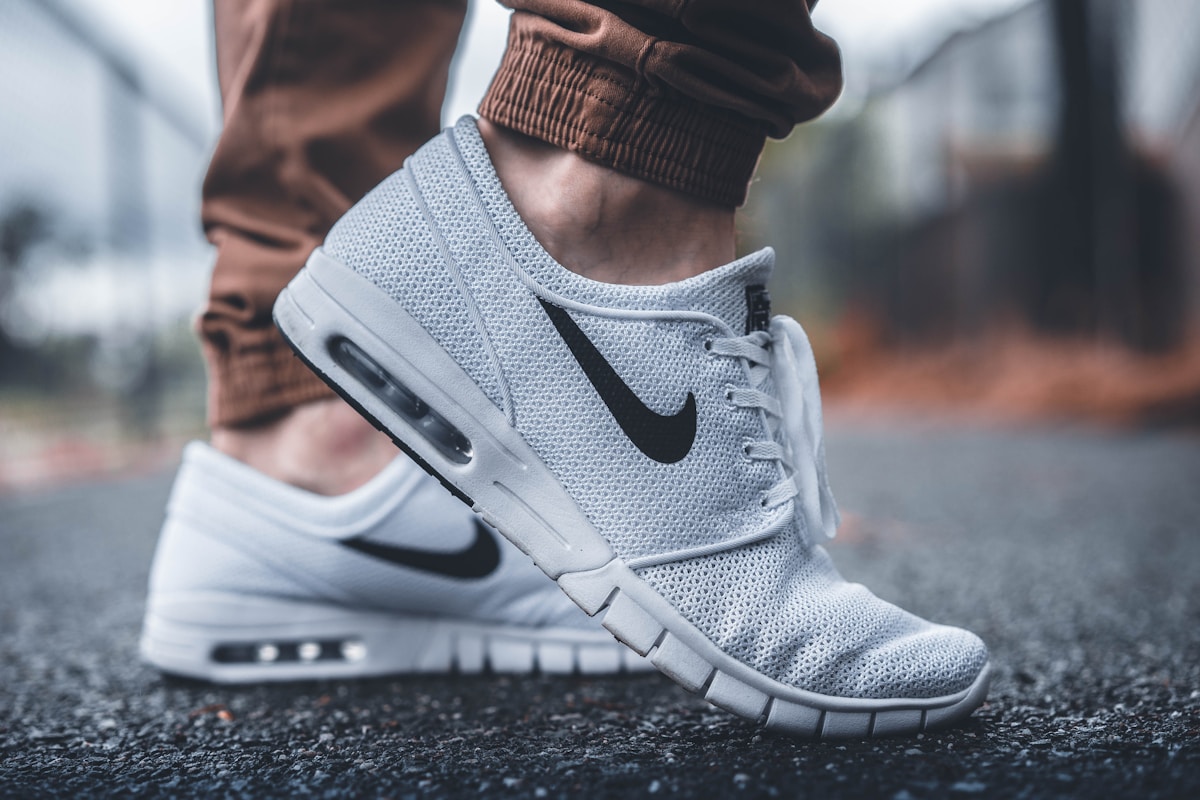
I started running in a pair of basketball shoes because I didn't know any better. Two miles in, my shins were screaming and my feet felt like they'd been put through a meat grinder. Turns out, running in shoes designed for lateral movement on a court is a great way to learn about shin splints the hard way.
The trail was here before you.Running shoes aren't marketing fluff — the right pair genuinely prevents injury and makes the first mile feel less like punishment. The wrong pair makes you think you hate running when you actually just hate your shoes. Here's what actually works for people just starting out.
What Makes a Good Beginner Running Shoe?
Three things matter more than brand, color, or price tag:
- Cushioning that doesn't feel like marshmallows: You want impact absorption (foam that compresses under your weight) without losing ground feel. Too soft and your foot sinks on every step, wasting energy. Too firm and every stride sends shock up your shins.
- A wide, stable base: Beginner running form is messy — you overstride, you wobble, your feet land at weird angles. A shoe with a wide platform and slight rocker shape helps guide your foot through a more natural gait without forcing it.
- Durability past 300 miles: A $90 shoe that lasts 400 miles is better than a $160 shoe that dies at 250. Check the outsole rubber — exposed foam with no rubber coating will wear through in two months of regular running.
Our Top Picks
Nike Pegasus 41 — Best Overall
There's a reason the Pegasus has been Nike's daily trainer for 40+ years. The 41st version uses ReactX foam (softer and bouncier than the old React) with a Zoom Air unit in the forefoot for a little pop on toe-off. It's not the most cushioned, not the lightest, not the fastest — it's just really good at everything. The fit is average-to-wide (Nike runs slightly narrow, so go half a size up), the outsole has decent rubber coverage, and you can find it on sale for $100-110 within a few months of release. This is the shoe I'd hand to anyone who walks into a store and says "I want to start running, what do I buy?"
Best for: Daily runs, easy days, long runs — the one shoe that does it all.
Check price on Amazon →Brooks Ghost 16 — Best for Wide Feet and Orthotics
The Ghost is the "I just want a comfortable running shoe" shoe. It's not trying to be fast, bouncy, or trendy — it's trying to feel good on your foot for 5 miles, and it succeeds. The DNA LOFT v2 cushioning is soft without being squishy, the wide base feels planted, and there's enough room in the toe box for feet that spread out when they run. It also has a removable insole with room for custom orthotics, which matters if you're dealing with plantar fasciitis or flat feet. Runs true to size and comes in wide widths. Brooks also has one of the better return policies if you buy direct.
Best for: Wide feet, orthotics wearers, runners who prioritize comfort over speed.
Check price on Amazon →ASICS Gel-Nimbus 26 — Best Maximum Cushion
If you're a heavier runner (180+ lbs), coming back from injury, or just want your feet to feel like they're landing on clouds, the Nimbus delivers. PureGEL in the heel plus FF BLAST PLUS ECO foam gives it a pillowy-but-not-dead ride that soaks up impact like nothing else in this price range. It's not light (10.9 oz men's) and it's not fast — this is a recovery day shoe and a long run shoe, not a race day shoe. But for people whose joints are still adapting to the impact of running, the extra cushion is worth every ounce.
Best for: Heavier runners, injury recovery, long slow distance days.
Check price on Amazon →New Balance Fresh Foam X 1080v14 — Best for High Mileage
The 1080 is New Balance's premium daily trainer and it shows — Fresh Foam X is their softest, most responsive foam, and the v14 has a wider platform than previous versions for better stability. It feels like running on a firm mattress: soft enough to absorb shock, responsive enough that you don't feel like you're sinking. The engineered mesh upper breathes well and the heel counter locks your foot in place. At $165 it's the most expensive shoe here, but it also lasts longer — we've seen runners get 450+ miles before the foam starts feeling flat. If you're running 20+ miles per week, the cost-per-mile actually works out better than cheaper shoes.
Best for: High-mileage runners who want one shoe for everything.
Check price on Amazon →Hoka Clifton 9 — Best for Joint Pain
Hoka's signature oversized midsole looks ridiculous until you run in it. The Clifton 9 is their lightest max-cushion shoe — it absorbs impact like the Nimbus but weighs almost 2 ounces less. The meta-rocker shape (the sole curves up at toe and heel) rolls your foot through the gait cycle, which reduces stress on ankles, knees, and hips. If you've ever thought "I can't run because it hurts my knees," try the Clifton before you give up. The cushion-to-weight ratio is genuinely impressive. Wide-foot runners should look at the Hoka Bondi instead — the Clifton runs slightly narrow.
Best for: Joint pain, beginner runners over 40, anyone recovering from lower-body injuries.
Check price on Amazon →Comparison: At a Glance
| Shoe | Weight (men's 10) | Drop | Cushion | Price | Best For |
|---|---|---|---|---|---|
| Pegasus 41 | 9.8 oz | 10mm | Medium | ~$140 | All-around |
| Brooks Ghost 16 | 9.7 oz | 12mm | Medium | ~$140 | Wide feet/orthotics |
| Gel-Nimbus 26 | 10.9 oz | 8mm | Maximum | ~$160 | Heavier runners |
| NB 1080v14 | 9.9 oz | 6mm | High | ~$165 | High mileage |
| Hoka Clifton 9 | 8.7 oz | 5mm | Maximum | ~$145 | Joint pain |
Frequently Asked Questions
How do I know my running shoe size?
Running shoes should be a half to full size larger than your street shoes. Your feet swell during runs, and you need about a thumb's width of space between your longest toe and the end of the shoe. Measure your feet at the end of the day when they're at their largest, and always try running shoes on with running socks.
How often should I replace running shoes?
Most running shoes last 300-500 miles. That's roughly 3-5 months if you run 20 miles per week, or 6-8 months at 15 miles per week. Watch for worn tread, compressed midsole (the shoe feels flat and hard), or new aches in your knees or shins — those are signs the cushioning is done.
What's the difference between neutral and stability shoes?
Neutral shoes are for runners whose feet roll outward slightly (supination) or land straight. Stability shoes have a firmer medial post that prevents over-pronation (feet rolling inward). Most beginners don't know which they need — a gait analysis at a running store can tell you in 30 seconds.
Can I use running shoes for walking or the gym?
For walking, yes — running shoes are great for walking. For the gym, it depends. Running shoes have thick, cushioned soles that are unstable for heavy squats and deadlifts. If you lift weights regularly, get a flat-soled training shoe for that and keep your running shoes for running.
Do expensive running shoes make a difference?
Up to about $130-140, yes — you get better cushioning, more durable outsoles, and improved fit. Above that, you're paying for carbon plates (which only help if you're running sub-8 minute miles) or premium foams that feel slightly bouncier but don't prevent injury. A $100-120 daily trainer is the sweet spot for beginners.
Should I buy running shoes online or in a store?
For your first pair, go to a running store. They'll watch you run on a treadmill, recommend shoes for your gait, and let you try multiple pairs. Once you know what works, buy the same model online for less. Most running stores price-match anyway, and you're supporting local expertise.
How do I break in new running shoes?
Walk in them for a day first. Then run 1-2 easy miles. If nothing hurts, gradually increase distance over 3-4 runs. Never race in brand new shoes. Most modern running shoes don't need much break-in, but your feet still need to adapt.
We earn commissions from qualifying purchases. Prices and availability are subject to change. Last updated July 2026.
We earn commissions from qualifying purchases. Prices and availability are subject to change. Last updated July 2026.