Best French Press Coffee Makers (And How to Use Them Right)
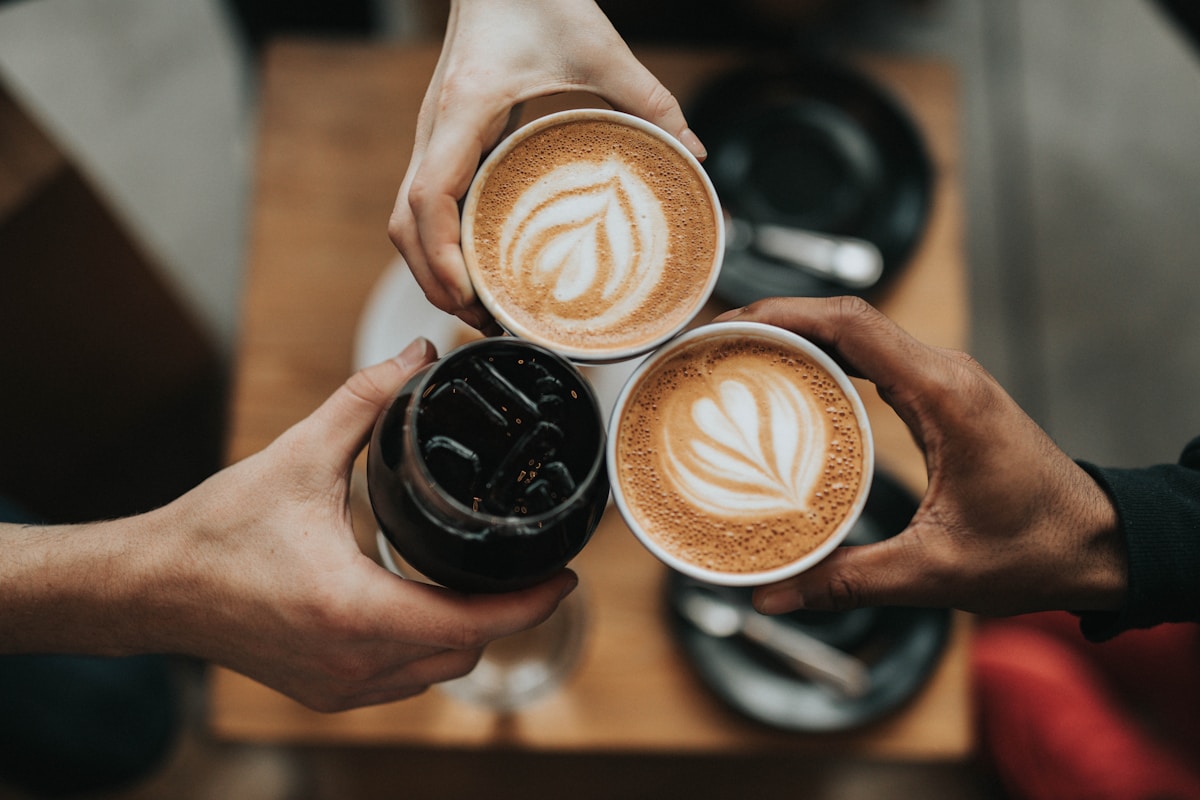
I've been making French press coffee every morning for eight years, and I still remember the first time I did it wrong. Boiling water straight from the kettle, pre-ground coffee from a can, and a four-minute steep that produced something I can only describe as "bitter disappointment in a cup." The French press is simple — but simple doesn't mean foolproof.
The grounds know more than the cup.The best French press makes coffee that's rich, full-bodied, and actually tastes like the beans you bought. The worst one gives you a cup of murky grounds water with a side of burnt rubber. After testing nine presses over six months, here's what actually matters and what to buy.
What Makes a Good French Press?
Three things separate a great French press from a mediocre one:
- Filtration: The number one complaint about French press coffee is grounds in the cup. A good filter system (or double filter) keeps grounds out without needing a secondary pour-through filter. The Espro P7's micro-filter is in a different league.
- Heat retention: Glass looks nice but loses heat fast. If you're not pouring immediately, double-wall stainless steel keeps coffee hot for 30+ minutes instead of 10. Single-wall glass is fine if you drink right away.
- Durability: Glass presses shatter. It's not a question of if, but when — usually when you're washing it and it slips. Steel presses are functionally indestructible. If you're clumsy (like me), factor this in.
Our Top Picks
Bodum Chambord — Best Overall
The one that defines "French press" for most people, and for good reason. The Chambord has been in production since the 1950s and the design hasn't changed because it works. Borosilicate glass carafe, chrome frame, three-piece stainless filter that screws apart for cleaning. The 34oz (8-cup) version makes about 3 mugs of coffee — perfect for two people. It's not the best at any single thing, but it's very good at everything and costs $30-35. That's hard to beat. The glass will break eventually (count on 1-2 years with daily use), but replacement beakers are $12.
Best for: Most people. If you don't know which French press to buy, buy this one.
Check price on Amazon →Espro P7 — Best for Zero Grounds
If grounds in your coffee drive you crazy, the Espro P7 solves it completely. Double micro-filter with a silicone lip that creates a vacuum seal when you press — coffee goes through, grounds stay trapped. The result is noticeably cleaner than any other French press I've used. It also has a double-wall stainless body that keeps coffee hot for 30+ minutes. The downside is price ($80-90) and capacity — the 32oz version makes about 2.5 mugs. But if you're tired of chewing your last sip, this is the one.
Best for: Coffee nerds who want the cleanest cup possible from a French press.
Check price on Amazon →Frieling Double Wall Stainless — Best for Durability and Heat
Indestructible, insulated, and makes coffee that stays hot for an hour. The Frieling's double-wall stainless steel body is the reason I still own it after five years — it has survived being knocked off a counter onto tile with nothing but a small dent. The mesh filter is standard (grounds get through like any non-Espro press), but the heat retention more than makes up for it. Pour your coffee, go take a shower, come back to still-hot coffee. The 36oz size is perfect for two generous mugs.
Best for: Clumsy people, cold kitchens, and anyone who doesn't drink their coffee immediately.
Check price on Amazon →Mueller French Press — Best Budget
$20 gets you double-wall stainless steel, a decent filter, and a press that makes perfectly good coffee. The Mueller isn't as refined as the Bodum (the finish is a little rough, the plunger action isn't as smooth) but the coffee it produces is genuinely hard to distinguish from a press three times its price. The double-wall insulation keeps coffee warm for about 20 minutes — not Frieling-level but better than glass. If you're not sure you'll stick with French press and want to try it without committing, start here.
Best for: First-timers and anyone who wants French press coffee for $20.
Check price on Amazon →Stanley Adventure — Best for Camping and Travel
The Stanley is built like all Stanley products — to survive anything short of a bear attack. Double-wall vacuum insulation keeps coffee hot for hours (not minutes, hours), the steel body takes drops on rocks without flinching, and the nesting lid means it's actually packable. The coffee quality is middle-of-the-road (the filter isn't great and you'll get some grounds), but when you're making coffee at 6 AM in a campsite with 38-degree air, you don't care about a few grounds — you care about hot coffee. It also doubles as a thermos. Pour what you need, cap the rest, drink it two hours later still warm.
Best for: Camping, travel, and anyone who needs coffee that survives rough treatment.
Check price on Amazon →Comparison: At a Glance
| French Press | Material | Filter | Heat Retention | Price | Best For |
|---|---|---|---|---|---|
| Bodum Chambord | Glass/chrome | Standard mesh | 10 min | ~$35 | Most people |
| Espro P7 | Stainless steel | Double micro-filter | 30+ min | ~$85 | Zero grounds |
| Frieling | Stainless steel | Standard mesh | 60 min | ~$55 | Durability/heat |
| Mueller | Stainless steel | Standard mesh | 20 min | ~$20 | Budget |
| Stanley Adventure | Stainless steel | Standard mesh | Hours | ~$30 | Camping/travel |
Frequently Asked Questions
How much coffee do I use in a French press?
Start with a 1:15 ratio — 1 gram of coffee for every 15 grams of water. For a standard 34oz (1 liter) French press, that's roughly 65 grams of coffee (about 2/3 cup of whole beans). Grind coarser than you think — it should look like coarse sea salt, not sand.
How long should I steep French press coffee?
4 minutes. Set a timer. Most people over-steep and get bitter coffee, or under-steep and get weak coffee. Four minutes at the right grind size gives you full extraction without the harshness.
Why does my French press coffee have grounds in it?
Two reasons: your grind is too fine, or your filter screen is worn out. French press requires coarse grind. Replace the filter screen every 6-12 months (they're $5-8) and the grounds issue mostly disappears.
Is French press coffee bad for cholesterol?
Unfiltered coffee contains cafestol, a compound that can raise LDL cholesterol. If you have high cholesterol, paper-filtered coffee removes most of it. For most people drinking 2-3 cups a day, the effect is small. Talk to your doctor if you're concerned.
Can I use a French press for cold brew?
Yes. Use a 1:8 ratio of coffee to cold water, stir, put the lid on with the plunger up, and refrigerate for 12-16 hours. Press and pour. Dilute the concentrate with water or milk to taste.
How do I clean a French press?
Dump grounds in the trash (not the sink). Rinse with warm water, add a drop of dish soap, plunge a few times to clean the screen, rinse thoroughly. Deep clean monthly: disassemble the filter screens and soak in white vinegar for 15 minutes.
Glass or stainless steel French press?
Glass lets you see the coffee and doesn't retain flavors, but it breaks. Stainless steel is indestructible and keeps coffee hot longer, but you can't see inside. If you knock things over, get steel. If you're careful and like watching the brew, get glass.
We earn commissions from qualifying purchases. Prices and availability are subject to change. Last updated July 2026.
We earn commissions from qualifying purchases. Prices and availability are subject to change. Last updated July 2026.